


Businesses flock to learn about the biggest change to employment law in years
The biggest shake-up of employment law in more than a decade brought scores to The Queen’s Hotel to learn how it will impact businesses in Gloucestershire and what they need to do.

The biggest shake-up of employment law in more than a decade brought scores to The Queen’s Hotel in Cheltenham to learn how it will impact their businesses and organisations.
And the example of how an individual who had not even worked a day at a business won three months’ pay for breach of contract underlined precisely why good advice is essential (if those in the room needed reminding!).
The real-life case study was just a small part of a presentation to the gathering of HR professionals and business people from across the sectors by legal experts from Cheltenham-headquartered firm Willans LLP solicitors.
It’s focus - the biggest shake-up to employment law in years; The Employment Rights Act 2025.
Hifsa O’Kelly, a partner at Willans, explained how the individual in the case study had barely made it through the interview process when the prospective employer withdrew their offer of a job.
A tribunal followed, and despite the interviewee or company having signed nothing, it found in the interviewee’s favour and the company was left paying three months’ wages.
The point being that a good understanding of the legal situation was key to ensure good processes were in place. And that was exactly what the seminar was there to achieve, staged by the CIPD in Gloucestershire and delivered by experts from the Cheltenham law firm’s employment law team.
Partners Jenny Hawrot, Simon Pathé, O’Kelly and trainee solicitor in our real estate team, Achante Anson, did the honours.
Their job was to explain to the 75 individuals at The Queen’s Hotel in Cheltenham as much of The Employment Rights Act 2025 as they could; a seriously mammoth task, but an act likely to impact just about every business and organisation.
“It has probably been about 16 years since there have been any meaningful changes on this scale.
“And there have been some really quite substantial changes, particularly around how you can go about dismissing staff,” said Hawrot.
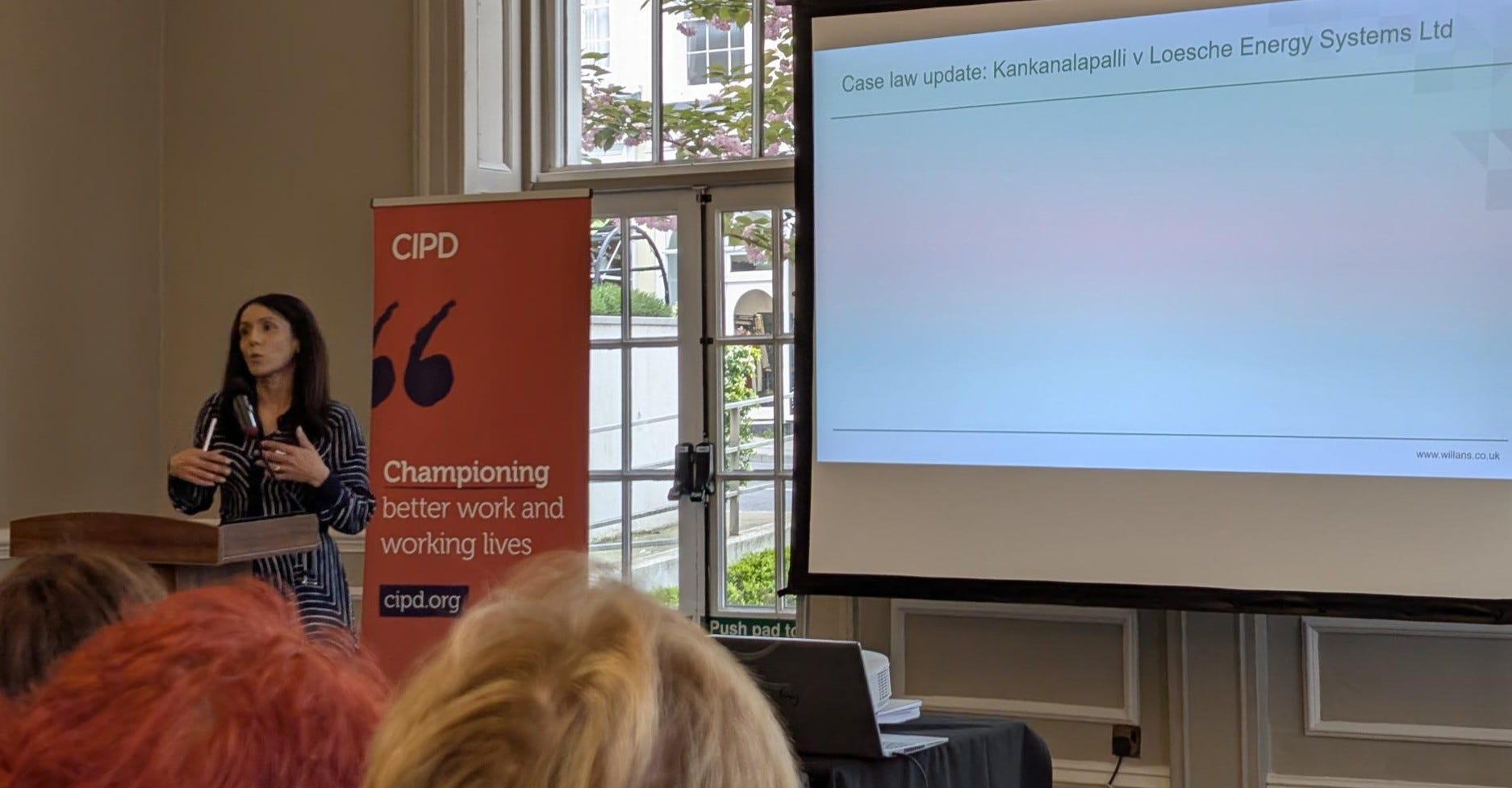
A handful of key takeaways are below, but the team started by looking at the changes that have come in so far as a result of the Act, in February and at the start of this month (April), flagging those changes to come in June and July 2026 and those coming into force in 2027.
“Next year might sound like a long time away for those changes coming in then, but we are already in April. It is a good idea to start thinking about this now to make sure you are ready,” said Hawrot.
One of the key changes so far, she said, was to how businesses and organisations large must recognise trade unions.
“As of February 2026 you can no longer dismiss someone simply for being involved in strike action,” she explained.
And the law around how easily it is for a union to declare a lawful strike and how long that ballot granting them the right to call a strike has also been relaxed.
Hawrot covered changes to come, including to firing and rehiring staff, tribunal time limits, how employers will have to take reasonable steps to prevent sexual harassment (all due in October 2026), consultations around tipping policies and how trade unions will have clearer rights of access to the workplace.
Achante Anson, looked at how rent increases had been impacted as well as changes to paternity leave and unpaid parental leave, how fathers were now able to take paternity leave after having also taken shared parental leave, changes to statutory sick pay, the removal of the three-day wait period and the lower earnings limit.
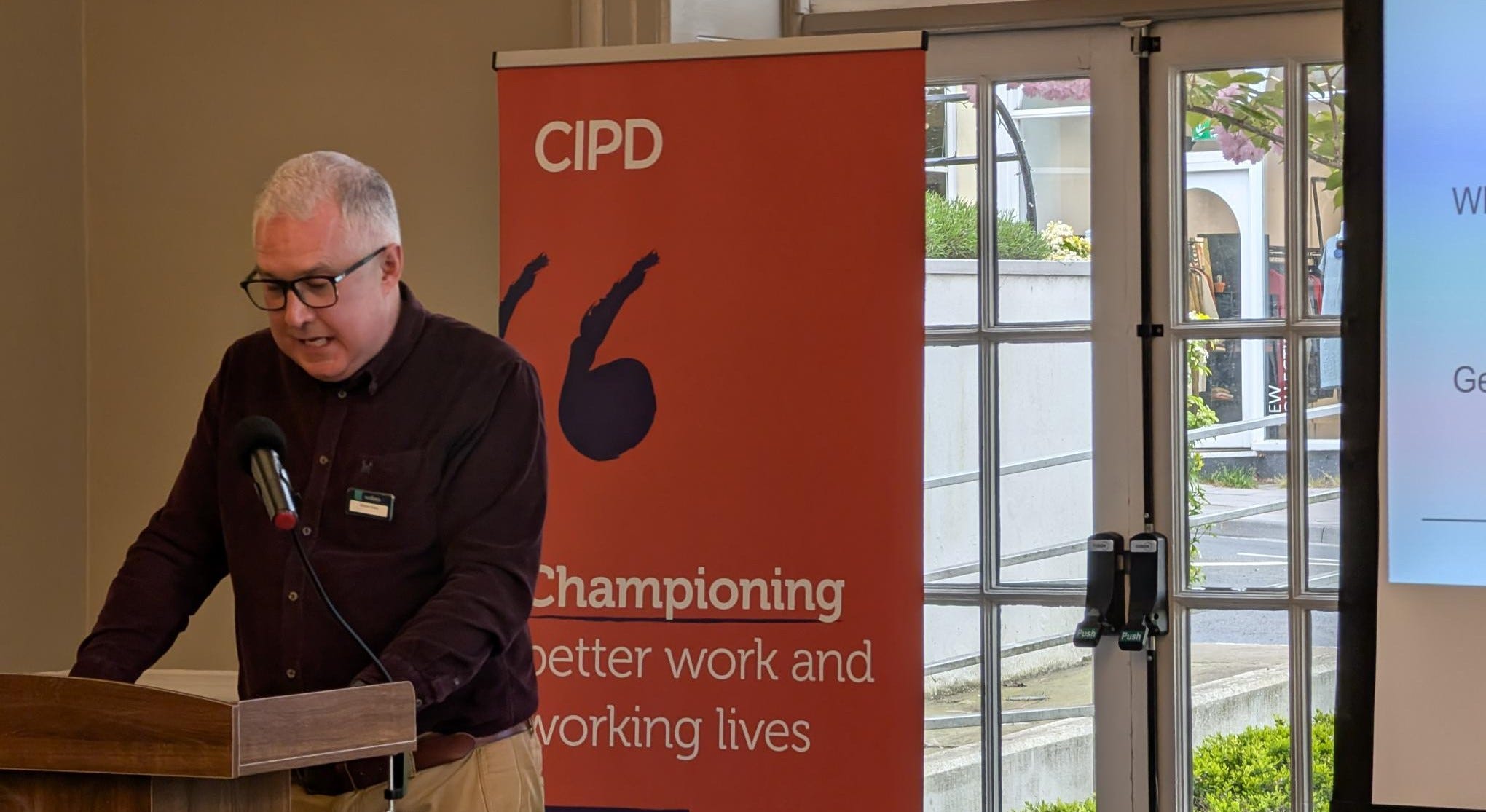
The Act also included the key increases to rates of pay, which also began from April 6, impacting the National Living Wage, apprentice rate, and changes to the vento bands - framework used by Employment Tribunals in the UK to determine compensation for injury to feelings in discrimination and whistleblowing claims.
Pathé raced through a long list of seemingly vast range, looking at everything from collective redundancy protective awards, changes to whistleblowing protections for sexual harassment, gender pay gap and actions plans, the new Fair Work Agency, mandatory requirements for organisations to have internal complaints procedures, gender pay gap and the menopause.
There was, he said, a new body to improve pay and conditions in social care, changes to unfair dismissal protection, an end to zero-hours contracts, increased pregnancy and maternity rights against dismissal, and the introduction of statutory bereavement leave, flexible working and collective redundancy.
O’Kelly returned to take the room on a deep dive into the world of AI in the workplace - how to use it, how not to, the wins and the danger areas.
The team wrapped up by directing everyone to its library of videos of seminars of everything from changes resulting from the Employment Law Act 2025 and news updates to its eLearn platform, home to almost 180 course modules from ‘menopause at work’ to ‘sexual harassment’ and ‘neurodiversity in the workplace’.
Click here to find our more about the timetable for changes being introduced in 2026
Five key takeaways…
Statutory Sick Pay now applies from day one: The old three-day waiting period for Statutory Sick Pay (SSP) is no more. SSP is now payable from day one of an employee’s sickness absence. The lower earnings limit has also been abolished, which means more workers, including those in lower-paid roles, now qualify for SSP when they previously didn’t.
Employment contracts and company policies need to be immediately updated: The Employment Rights Act 2025 brings in wide-reaching reforms changing worker protections, expanding statutory entitlements and strengthening the collective rights of employees. The first wave of reforms include changes to sick pay, paternity and parental leave and came into force this month (April 2026).
Paternity and parental leave from day one and partners get new bereavement leave: Staff were only entitled to paternity leave after 26 weeks and unpaid parental leave after one year, but both paternity leave and unpaid parental leave are now day-one rights. This also applies to all babies born and all adoption placements that began on or after Monday 6 April 2026. Bereaved fathers and partners can also now take up to 52 weeks of paternity leave if the mother dies within the first year of a child’s life.
Industrial action and trade union reforms: Processes to do with achieving trade union recognition have been simplified and the notice that trade unions need to give an employer before industrial action can be taken has been reduced. Further measures are expected to continue to be introduced for the rest of 2026 and into 2027, including easier pathways to union recognition, increasing the likelihood of unions organising in non-unionised workplaces and the legal risks of disciplinary action or dismissal.
Enhanced protections around redundancy: Businesses not living up to their statutory consultation duties around redundancy now face significantly increased financial risks. The maximum protective award due for failures in collective redundancy consultations has doubled under the Act to 180 days’ pay per affected employee.