

Agricultural sector in crisis: County agrees to do all it can for embattled farmers
The war in the Middle East has intensified the intense economic pressures on Gloucestershire’s agri-sector, with concerns about food production, supply and a looming mental health crisis.
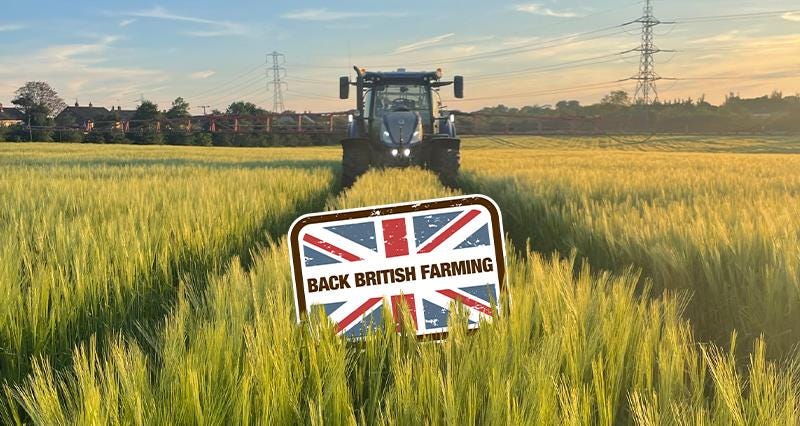
Rising costs, volatile markets, difficult weather and increasing pressures on labour - not helped by that war in Middle East - are increasing “real and growing pressure” on farmers.
You only have to look to what’s happening in Ireland to see the impact of that pressure, with farmers and truck hauliers blocking roads in protect and the Government threatening to send in the army.
And while the headlines around the Iran conflict (February 28, 2026) have otherwise been dominated by Donald Trump’s verbal missives, the damage being done on the ground here to Gloucestershire farmers and our agri-sector is very real.
It’s an impact that has made the county council sit up and take note, with councillors voting in favour of the authority doing whatever it can to support what councillors called ‘our vital rural businesses’.
Councillor Daryl Corps (pictured below) proposed a motion to fellow councillors, telling them that farmers across Gloucestershire were under “real and growing pressure”.
“Those who put food on our tables and care for our countryside are facing a perfect storm,” said Corps, the member for Moreton, Stow and the Rissingtons in the Cotswolds.
“Rising costs, volatile markets, difficult weather and increasing pressures on labour are all coming to squeeze already fragile margins.
“For many family farms this is not theoretical; these are businesses built over generations now facing long term financial uncertainty that simply does not reflect the reality of how farming income actually works.”
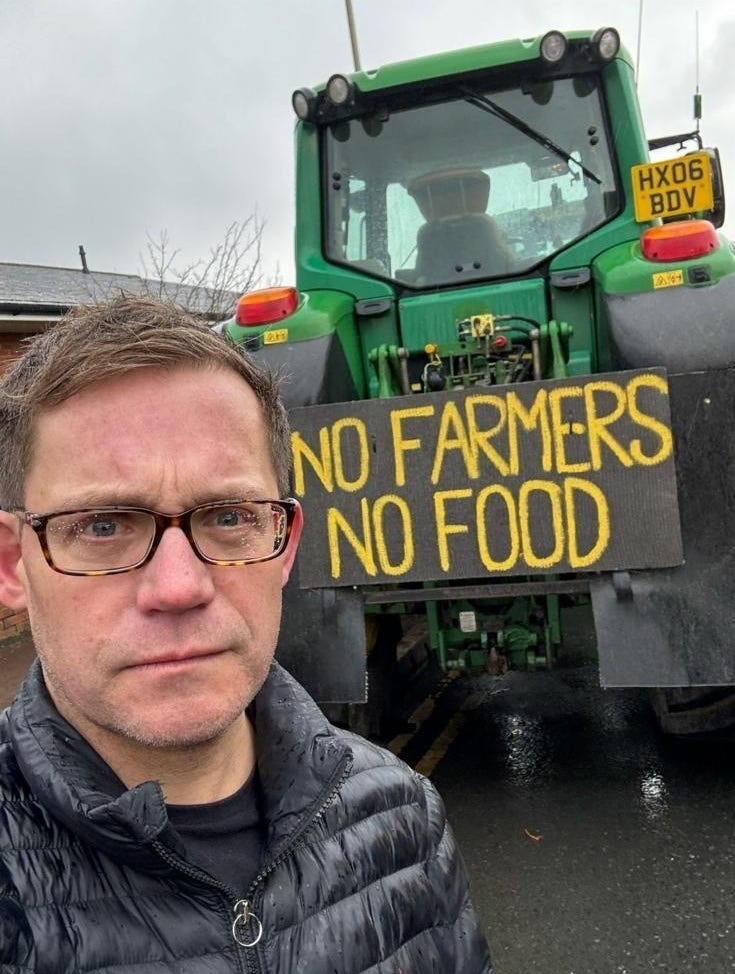
Many farmers, said Corps, were already working “incredibly hard” for “very modest returns”.
According to the county council’s own report (published in 2022), Gloucestershire’s agri-food sector employs more than 50,000 people - 14.9 per cent of the workforce - and generated a Gross Value Add of £1.39bn, or 8.8 per cent of the local economy.
Agriculture specifically supports 6,280 jobs and generated £333m annually, with crops accounting for £116m and livestock £181m. This output translates into a GVA of £102m after direct production costs. And that was using figures from 2017.
It’s a crisis that has become so significant that on a national level the NFU (National Farmer’s Union) recently met with the Defra Secretary of State, Emma Reynolds, and Farming Minister, Dame Angela Eagle, to discuss the UK’s food resilience.
In the words of the NFU farmers produce the raw ingredients that underpin the UK’s food and drink sector, pointing out this is the largest manufacturing sector in the UK, worth £146 billion and employing more than four million people.
Gloucestershire County Council’s cabinet will also be asked to conduct an audit of its procurement to ensure local produce is prioritised where financially reasonable.
It will also be asked to review all its catering facilities, including in directly controlled care homes and schools, to prioritise produce from the county to ensure it is doing everything it can to source from Gloucestershire producers and businesses.
A report has also been called for into the current success of the Made in Gloucestershire program, which seeks to support county-based food and drink producers, with a clear plan to address any shortcomings identified.
And as well as an initiative to promote the benefits of eating locally-produced fresh products, a public health plan will also be developed to promote services in the rural community to tackle the mental health issues arising from the current crisis in the sector.
Councillor Paul Hodgkinson (Bourton-on-the-Water and Northleach), who described himself as a representative of many of the county’s “hard-working farmers in the North Cotswolds”, also spoke in strong support of the motion from Corps.
Green Party councillor Chloe Turner added that she did not think the Government “understands the rural economy and farming in particular”.
The Minchampton councillor, who also leads Stroud District Council, said the Five Valleys local authority had tried to make farming and regenerative agriculture a “key plank” of its own economic strategy.
“We are a rural place, and it is a very important and special part of our heritage, but also our future and the way we want our economy to work,” she said.
“So we try to put resources towards the things farmers tell us that they want.”
The council voted unanimously to approve the proposals.
According to the NFU the impact of the Middle East conflict on farmers in Gloucestershire, just as it is for consumers, is real and happening right now.
As well as the difficulty of moving 20 per cent of the world’s oil and gas shipments through the Strait of Hormuz, which borders Iran, one fifth of the global ammonia and urea supplies also travel through that narrow passage of sea.
Both are key components in food production, with fuel and fertiliser accounting for between 25 and 30 per cent of total costs.
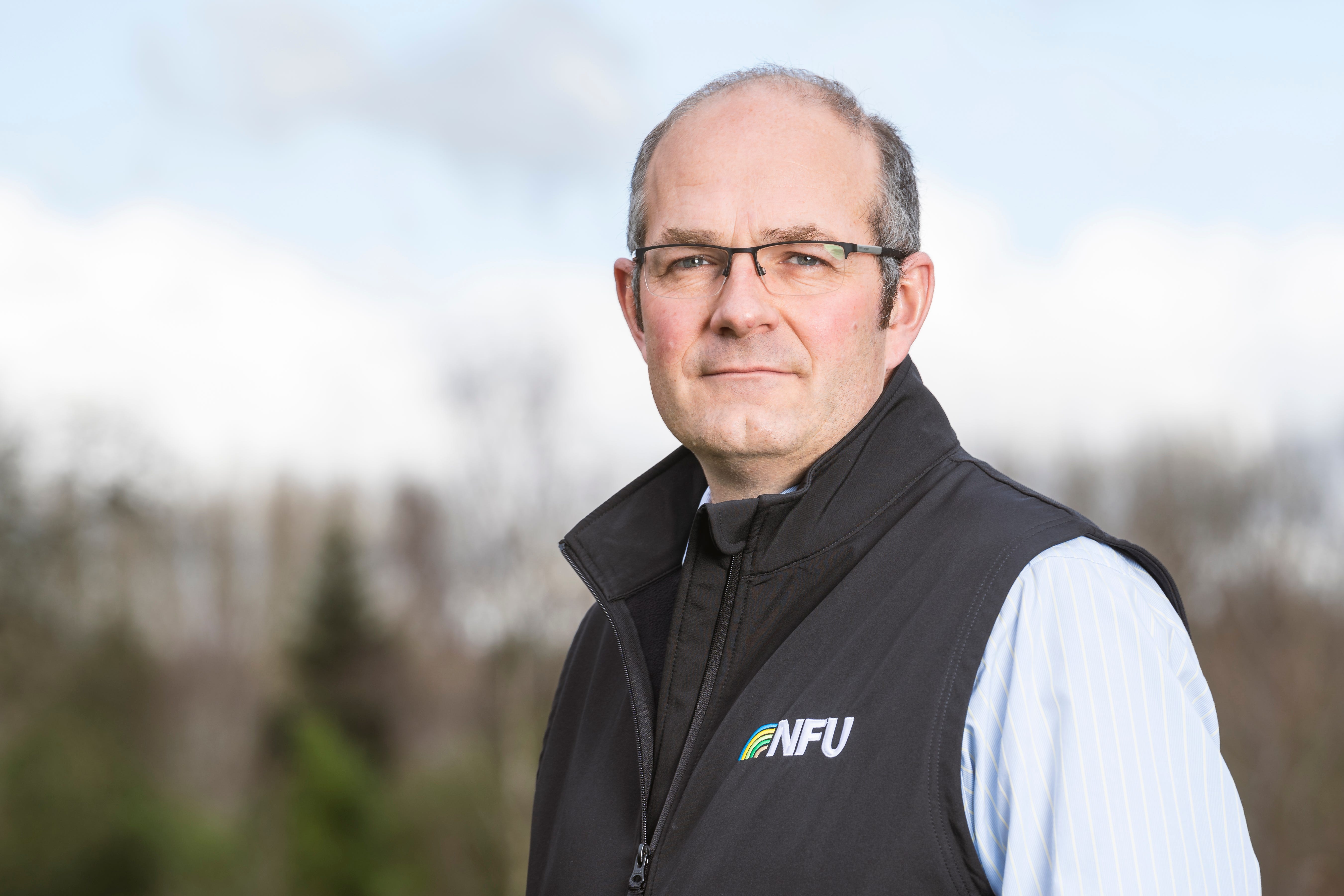
Tom Bradshaw, the NFU president (pictured above), has warned that a protracted conflict in the region would have a “dramatic impact”, turning the world’s food supply chain “upside down”.
He called on the UK Government to take the threat to food production “seriously”.
Everything from the planting of crops, taking place mainly through March, as well as livestock and horticulture was now under “intense pressure”, according to the farmers union.
In February oil was $71 (US) on 27 February. As of 31 March Brent Crude trading around $112–$116 per barrel.
Fertiliser prices have so far risen by an estimated 27 per cent, red diesel has in some cases increased by 90 per cent, and kerosene prices have gone up between 21 per cent and 112 per cent.